
Preparing for Preschool in Winter: How Outdoor Play Supports Child Development
As winter settles in and temperatures drop, many parents wonder: Should my child still play outside? At Canterbury Creek Farm Preschool, the answer is a resounding yes. Outdoor play isn’t just a seasonal bonus — it’s a critical part of early learning and development, even in winter weather. In this article, we’ll explore why outdoor time matters, how it benefits your preschooler’s growth, and how we incorporate nature-based learning into our winter routines.
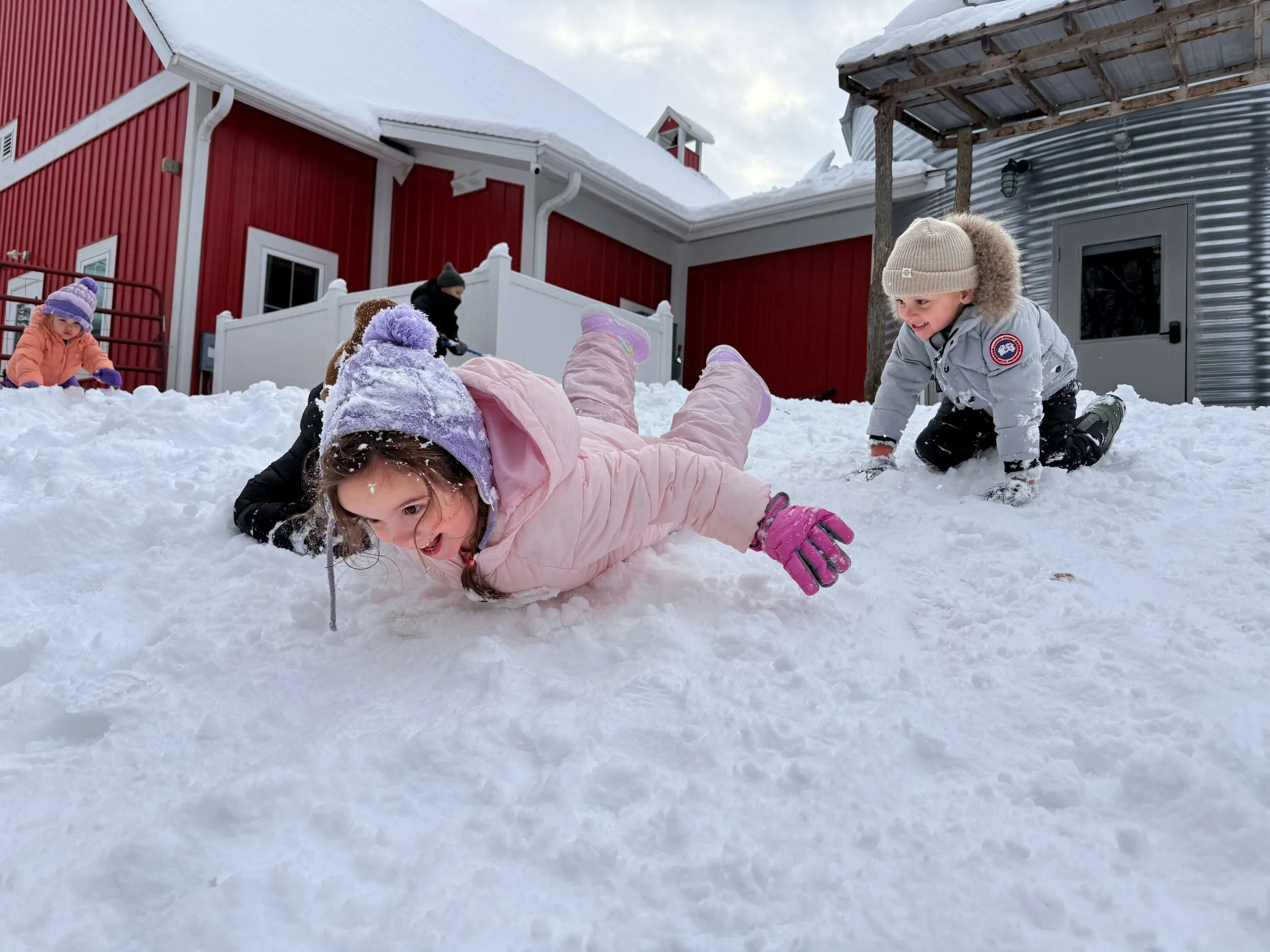
Preschool children engaged in outdoor winter play, building strength and coordination through active movement
❄️ Why Outdoor Play in Winter Matters
1. Boosts Physical Health
Winter outdoor play strengthens children’s immune systems and improves overall fitness. Research shows that regular physical activity:
Increases cardiovascular endurance
Supports healthy growth and coordination
Reduces stress and anxiety
Cold-weather play encourages children to move differently — walking on uneven ground, climbing through snow, balancing, pulling, and pushing — all of which strengthen large muscle groups and motor planning skills.
👉 The American Academy of Pediatrics emphasizes that outdoor play supports physical health and overall well-being in young children.
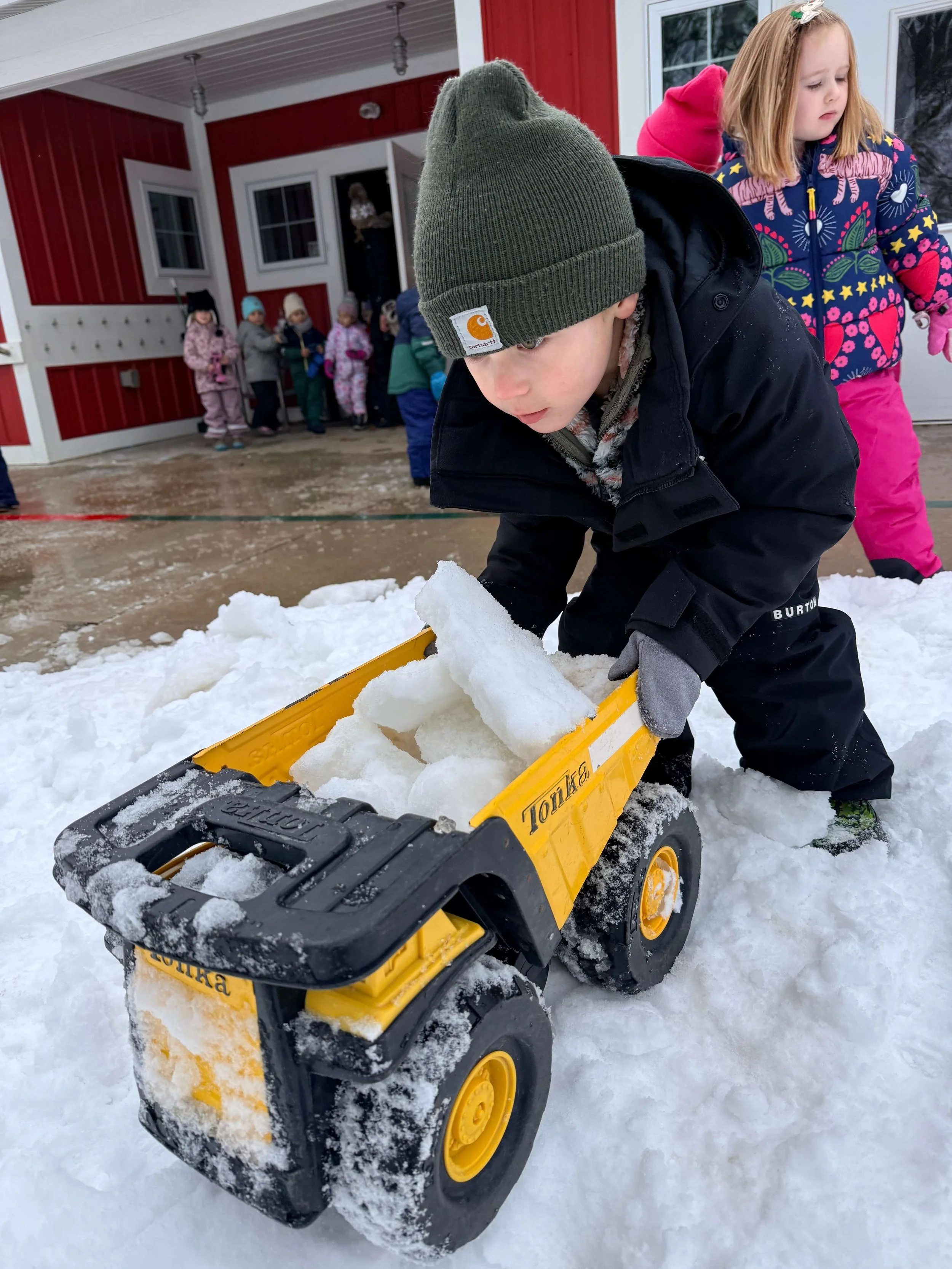
Playing outside in winter weather, developing balance and gross motor skills
🌬 Fresh Air, Stronger Bodies
While cold weather can feel concerning to parents, research shows that with proper clothing, outdoor winter play can be very beneficial. Fresh air helps:
Reduce exposure to indoor allergens
Support healthy circulation
Encourage deeper breathing and lung engagement
Children who spend time outdoors regularly often build stronger immune systems as their bodies adapt to seasonal changes.
🧠 How Outdoor Play Supports Brain Development
2. Builds Cognitive Skills
Nature is an ever-changing classroom. Winter conditions naturally encourage:
Problem-solving (How do I walk here? What happens if I push this?)
Creativity and imagination
Executive functioning skills such as planning and flexibility
Studies published in Frontiers in Psychology show that nature-based play improves attention, memory, and cognitive flexibility in young children.
3. Supports Emotional Regulation
Outdoor play — especially in challenging environments like winter — helps children develop:
Resilience
Emotional regulation
Confidence in their own abilities
Having space to move, explore, and take age-appropriate risks allows children to release energy and manage emotions in healthy ways.
🧒 Social and Language Development Through Nature Play
Outdoor environments naturally foster collaboration. As children explore together, they:
Communicate ideas and negotiate play
Practice language in meaningful contexts
Build empathy and teamwork
Play researchers, including Dr. Peter Gray, highlight that unstructured outdoor play supports social competence and language development by allowing children to direct their own interactions.
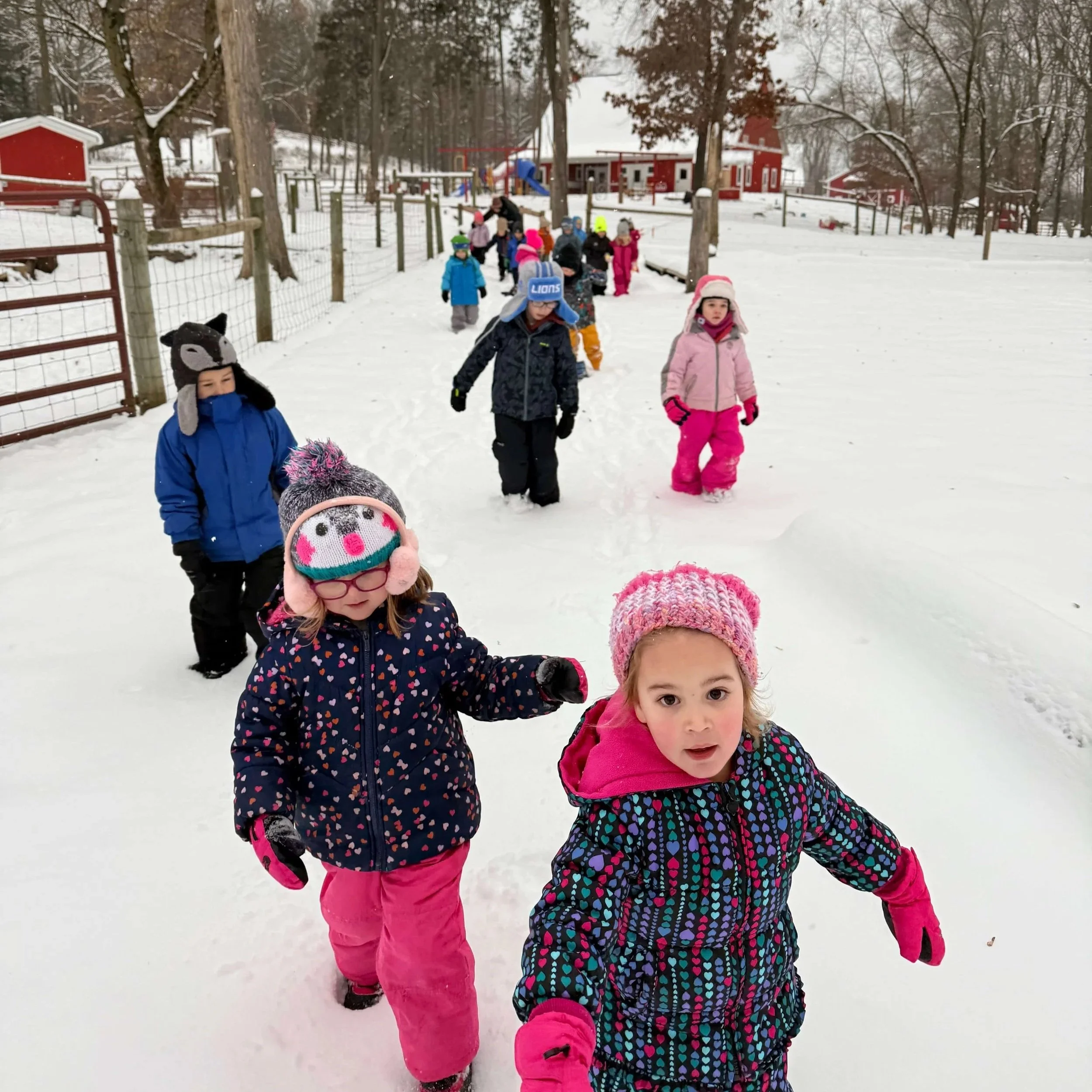
Nature preschool children exploring the outdoor environment during winter
🐐 The Value of Farm-Based Learning in Winter
At Canterbury Creek Farm Preschool, winter brings unique learning opportunities that can’t be replicated indoors:
Caring for animals fosters responsibility, empathy, and consistency
Observing seasonal changes encourages scientific thinking
Participating in real farm routines builds confidence and independence
Animals don’t stop needing care in winter — and children learn that responsibility, patience, and compassion are year-round values.
☃️ How We Safely Incorporate Outdoor Play in Winter
Winter outdoor time is intentional and developmentally appropriate.
Proper Clothing
Families are encouraged to send children prepared with:
Insulated boots
Waterproof snow pants
Warm layers
Hats and mittens
Proper gear allows children to stay warm and comfortable so play remains joyful and engaging.
Short, Frequent Outdoor Sessions
Rather than one long block of outdoor time, we:
Go outside multiple times throughout the day
Warm up indoors as needed
Adjust activities based on weather and child comfort
This approach keeps children energized and regulated while maximizing the benefits of outdoor learning.
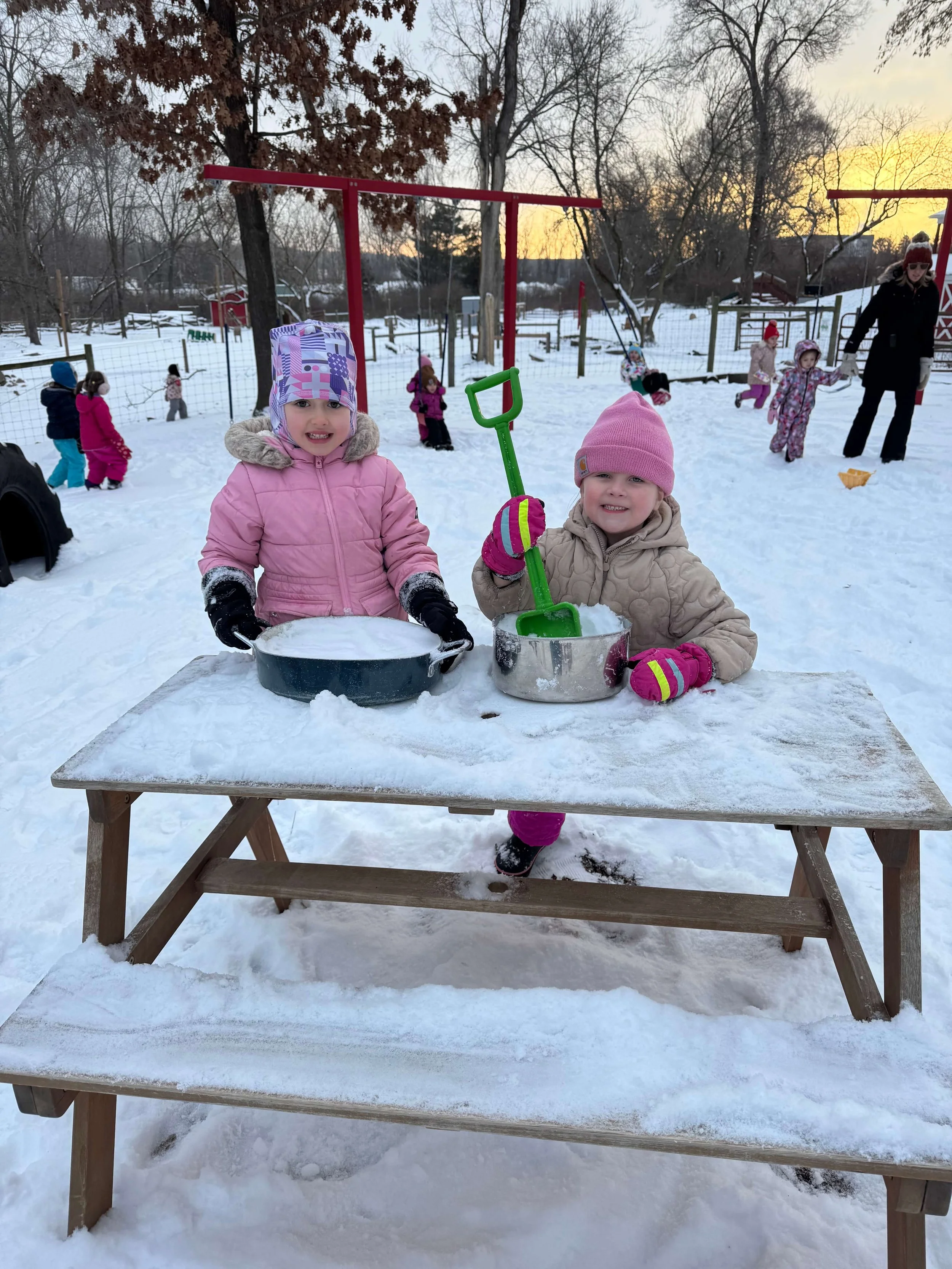
Preschoolers participating in winter sensory play outdoors using natural materials
Winter-Specific Learning Experiences
Winter becomes a learning tool through:
Snow and ice exploration
Tracking animals in the snow
Sensory play with natural materials
Cooperative building and imaginative play
Each experience supports physical development, cognitive growth, and social learning.
Referenced Research & Best Practices
American Academy of Pediatrics — Importance of Outdoor Play
Frontiers in Psychology — Cognitive Benefits of Nature Exposure
Peter Gray, PhD — Free to Learn
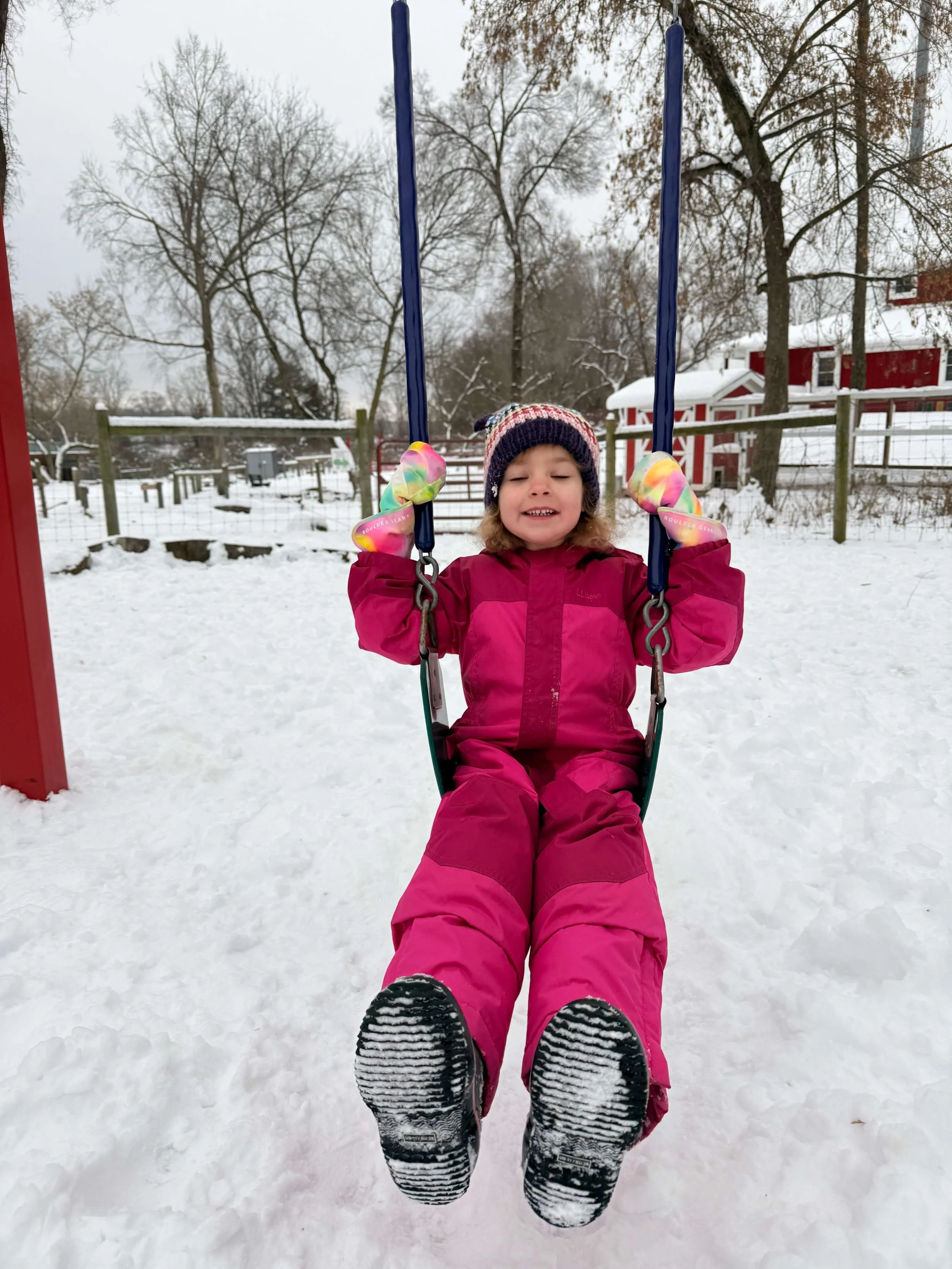
Preschool children playing outside in winter weather, developing balance and gross motor skills
🌿 Embracing Winter as a Season of Growth
At Canterbury Creek Farm Preschool, winter isn’t something to avoid — it’s an opportunity. Cold air, snow, and seasonal rhythms offer rich experiences that support children’s development in meaningful ways.
Through outdoor play, animal care, and nature-based learning, children build the skills they need for kindergarten and beyond — all while developing a lifelong connection to the natural world.
👉 Contact us for more information to experience how winter learning comes to life at Canterbury Creek Farm Preschool.
View current enrollment opportunities or register for the 2026-2027 school year